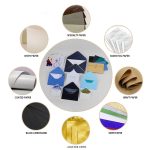
Choosing the wrong paper weight for business envelopes can lead to torn mail, poor print quality, postage surcharges, or worse — a damaged professional reputation. Paper weight affects durability, appearance, printing compatibility, and even how recipients perceive your brand.
This comprehensive guide breaks down everything you need to know about business envelope paper weight: GSM explained, common weights (70, 80, 90, 100, 120gsm), durability comparisons, print compatibility, postage implications, and how to choose the right weight for your specific business needs — whether it’s everyday correspondence, executive communications, or marketing mailers.
⚡ Quick Summary: Business Envelope Paper Weights
- ✅ 70gsm: Budget option, lightweight, high-volume mail
- ✅ 80gsm: Standard business, everyday correspondence
- ✅ 90gsm: Professional quality, better durability
- ✅ 100gsm: Premium business, important documents
- ✅ 120gsm+: Executive/luxury, VIP communications
- ✅ Most Popular: 80-90gsm (70% of business orders)
📋 Table of Contents
Why Envelope Paper Weight Matters
Paper weight isn’t just a technical specification — it directly impacts your business communications in multiple ways.
Key Factors Affected by Paper Weight
| Factor | Light Weight (<80gsm) | Medium Weight (80-100gsm) | Heavy Weight (120gsm+) |
|---|---|---|---|
| Durability | Prone to tearing | Good protection | Excellent protection |
| Professional Appearance | Feels cheap/flimsy | Professional standard | Premium/luxury feel |
| Print Quality | May show through | Good for most printing | Excellent for all methods |
| Postage Cost | Lowest weight | Standard letter rate | May exceed 1 oz limit |
| Cost Per Envelope | Lowest | Moderate | Highest |
| Best Use Case | High-volume, internal | Everyday business | Executive/VIP |
💡 Key Insight: Studies show recipients form opinions about mail importance within 3 seconds of handling the envelope. Paper weight is a key tactile cue — heavier weights signal importance and quality, while lightweight envelopes may be perceived as junk mail.
Understanding GSM: The Paper Weight Standard
GSM is the universal standard for measuring paper weight. Here’s what you need to know.
What Does GSM Mean?
| Term | Definition | Example |
|---|---|---|
| GSM | Grams per Square Meter | 80gsm = 80 grams per m² |
| LBS (US) | Pounds per ream (500 sheets) | 20lb bond ≈ 75gsm |
| Micron | Paper thickness in micrometers | 80gsm ≈ 100-110 micron |
GSM to LBS Conversion Chart
| GSM | LBS (Bond) | LBS (Text) | Category |
|---|---|---|---|
| 70gsm | 18-19 lb | 40-44 lb | Lightweight |
| 80gsm | 20 lb | 50 lb | Standard |
| 90gsm | 22-24 lb | 55-60 lb | Professional |
| 100gsm | 26-28 lb | 65-70 lb | Premium |
| 120gsm | 32-34 lb | 80 lb | Heavyweight |
| 140gsm+ | 38-40+ lb | 90+ lb | Luxury |
💡 Important Note: GSM is the most accurate measurement because it’s based on area, not ream weight. LBS can vary by paper type (bond, text, cover). When ordering custom envelopes, always specify GSM for clarity — especially when working with international manufacturers.
Common Business Envelope Weights: Head-to-Head Comparison
Here’s how all common paper weights compare across key criteria.
Complete Weight Comparison Chart (2026)
| Weight | Durability | Print Quality | Professional Feel | Postage Safe | Cost Index | Best For |
|---|---|---|---|---|---|---|
| 70gsm | ★★☆☆☆ | ★★★☆☆ | ★★☆☆☆ | ✅ Excellent | $ | High-volume |
| 80gsm ⭐ | ★★★☆☆ | ★★★★☆ | ★★★☆☆ | ✅ Excellent | $$ | Everyday business |
| 90gsm ⭐ | ★★★★☆ | ★★★★☆ | ★★★★☆ | ✅ Excellent | $$ | Professional |
| 100gsm ⭐ | ★★★★☆ | ★★★★★ | ★★★★☆ | ✅ Good | $$$ | Premium business |
| 120gsm | ★★★★★ | ★★★★★ | ★★★★★ | ⚠️ Check weight | $$$$ | Executive/VIP |
| 140gsm+ | ★★★★★ | ★★★★★ | ★★★★★ | ❌ May exceed | $$$$$ | Luxury/special |
Note: Ratings are relative within envelope paper category. Postage Safe assumes standard #10 envelope with typical contents (1-2 pages). Heavy contents may push heavier papers over 1 oz limit.
💡 Most Popular Choice: 80-90gsm accounts for approximately 70% of all business envelope orders. This weight range offers the best balance of professional appearance, durability, print compatibility, and postage efficiency for everyday business correspondence.
70gsm Envelopes: Budget Lightweight Option
70gsm is the lightest common envelope weight — suitable for specific high-volume, cost-sensitive applications.
70gsm Specifications
| Property | Details |
|---|---|
| Thickness | ~90-100 micron |
| Opacity | 85-90% (some show-through) |
| Tear Resistance | Low-Moderate |
| Weight per #10 Envelope | ~5-6 grams |
| Print Methods | Inkjet, laser, offset (light coverage) |
Pros & Cons: 70gsm Envelopes
| Pros ✅ | Cons ❌ |
|---|---|
| • Lowest cost per envelope | • Feels thin/cheap |
| • Lightest weight (postage savings) | • Prone to tearing during processing |
| • Good for high-volume mailings | • Print may show through |
| • Works with most printers | • Not suitable for important documents |
| • Eco-friendly (less material) | • May jam in high-speed sorters |
Best Use Cases for 70gsm
- ✅ High-volume transactional mail (bills, statements)
- ✅ Internal company communications
- ✅ Direct mail where cost is primary concern
- ✅ Newsletter mailings
- ✅ Temporary or disposable documents
Cost Range (500-5,000 pieces)
| Quantity | Price Per Envelope | Total Cost |
|---|---|---|
| 500 pieces | $0.18-0.28 | $90-140 |
| 1,000 pieces | $0.15-0.24 | $150-240 |
| 2,500 pieces | $0.12-0.20 | $300-500 |
| 5,000 pieces | $0.10-0.17 | $500-850 |
💡 Recommendation: Avoid 70gsm for customer-facing communications where first impressions matter. It’s best suited for internal use or high-volume transactional mail where cost efficiency outweighs appearance concerns.
80gsm Envelopes: Standard Business Choice
80gsm is the most common business envelope weight — offering the best balance of cost, durability, and professional appearance.
80gsm Specifications
| Property | Details |
|---|---|
| Thickness | ~100-110 micron |
| Opacity | 90-94% (minimal show-through) |
| Tear Resistance | Moderate-Good |
| Weight per #10 Envelope | ~6-7 grams |
| Print Methods | Inkjet, laser, offset, digital (excellent) |
Pros & Cons: 80gsm Envelopes
| Pros ✅ | Cons ❌ |
|---|---|
| • Industry standard for business | • Not premium feel |
| • Excellent print compatibility | • May feel thin for luxury brands |
| • Good durability for everyday use | • Not ideal for heavy contents |
| • Stays within 1 oz postage limit | — |
| • Widely available, competitive pricing | — |
Best Use Cases for 80gsm
- ✅ Everyday business correspondence
- ✅ Invoice and statement mailing
- ✅ Customer communications
- ✅ Marketing mailers
- ✅ General office use
- ✅ Professional services (lawyers, accountants, consultants)
💡 Industry Standard: 80gsm is the default choice for most businesses. If you’re unsure which weight to choose, 80gsm is the safest bet — it’s professional enough for external communications while remaining cost-effective for regular use.
90gsm Envelopes: Professional Quality Upgrade
90gsm offers a noticeable upgrade in feel and durability — ideal for businesses wanting to project a more professional image.
90gsm Specifications
| Property | Details |
|---|---|
| Thickness | ~110-120 micron |
| Opacity | 94-96% (excellent opacity) |
| Tear Resistance | Good |
| Weight per #10 Envelope | ~7-8 grams |
| Print Methods | All methods (excellent results) |
Pros & Cons: 90gsm Envelopes
| Pros ✅ | Cons ❌ |
|---|---|
| • Noticeably more substantial feel | • 10-15% higher cost than 80gsm |
| • Better durability and tear resistance | • Slightly heavier (postage consideration) |
| • Excellent print quality, no show-through | — |
| • Projects professional image | — |
| • Still within 1 oz postage (with typical contents) | — |
Best Use Cases for 90gsm
- ✅ Client communications (professional services)
- ✅ Proposals and important documents
- ✅ Marketing materials where quality matters
- ✅ Customer welcome packets
- ✅ Brand-conscious businesses
- ✅ Financial services, legal, consulting
💡 Sweet Spot: 90gsm is often called the “sweet spot” for business envelopes — substantial enough to feel premium, but not so heavy that it impacts postage costs significantly. The small cost increase over 80gsm (10-15%) delivers a noticeable quality upgrade.
100gsm Envelopes: Premium Business Quality
100gsm represents premium business quality — reserved for important communications and brand-conscious organizations.
100gsm Specifications
| Property | Details |
|---|---|
| Thickness | ~120-135 micron |
| Opacity | 96-98% (near-perfect opacity) |
| Tear Resistance | Very Good |
| Weight per #10 Envelope | ~8-10 grams |
| Print Methods | All methods (premium results) |
Pros & Cons: 100gsm Envelopes
| Pros ✅ | Cons ❌ |
|---|---|
| • Premium, substantial feel | • 20-30% higher cost than 80gsm |
| • Excellent durability | • May exceed 1 oz with heavy contents |
| • Perfect for foil stamping, letterpress | • Overkill for everyday mail |
| • Conveys importance and quality | — |
| • Ideal for special occasions | — |
Best Use Cases for 100gsm
- ✅ Executive correspondence
- ✅ Important client communications
- ✅ Contract and legal document mailing
- ✅ Premium marketing campaigns
- ✅ Event invitations (corporate)
- ✅ Annual reports and shareholder communications
💡 Premium Choice: 100gsm is ideal for high-value communications where you want the recipient to immediately recognize importance. The substantial feel signals that the contents are worth attention — perfect for proposals, contracts, and VIP client mailings.
120gsm+ Envelopes: Executive & Luxury
120gsm and heavier weights are reserved for executive-level communications and luxury brand experiences.
120gsm+ Specifications
| Property | Details |
|---|---|
| Thickness | ~135-160+ micron |
| Opacity | 98-99% (complete opacity) |
| Tear Resistance | Excellent |
| Weight per #10 Envelope | ~10-14+ grams |
| Print Methods | Letterpress, engraving, foil, all premium methods |
Pros & Cons: 120gsm+ Envelopes
| Pros ✅ | Cons ❌ |
|---|---|
| • Ultimate luxury feel | • Highest cost (2-3x 80gsm) |
| • Exceptional durability | • Likely exceeds 1 oz postage limit |
| • Perfect for specialty printing | • May require additional postage |
| • Unmistakably premium | • Not suitable for regular use |
| • Creates memorable impression | — |
Best Use Cases for 120gsm+
- ✅ C-level executive correspondence
- ✅ VIP client communications
- ✅ Luxury brand packaging
- ✅ High-end event invitations
- ✅ Award and recognition letters
- ✅ Limited edition or collector mailings
💡 Luxury Consideration: 120gsm+ envelopes are specialty items — not for everyday use. Reserve them for your most important communications where the envelope itself is part of the brand experience. Budget for additional postage (2 oz rate) when contents are included.
Print Compatibility by Paper Weight
Different printing methods work better with different paper weights. Here’s what you need to know.
Print Method Compatibility Chart
| Print Method | 70gsm | 80gsm | 90gsm | 100gsm | 120gsm+ |
|---|---|---|---|---|---|
| Inkjet Printing | ⚠️ Fair (may warp) | ✅ Good | ✅ Good | ✅ Excellent | ✅ Excellent |
| Laser Printing | ⚠️ Fair (heat issues) | ✅ Good | ✅ Good | ✅ Excellent | ✅ Excellent |
| Offset Printing | ✅ Good | ✅ Excellent | ✅ Excellent | ✅ Excellent | ✅ Excellent |
| Digital Printing | ⚠️ Fair | ✅ Good | ✅ Good | ✅ Excellent | ✅ Excellent |
| Foil Stamping | ❌ Not recommended | ⚠️ Fair | ✅ Good | ✅ Excellent | ✅ Excellent |
| Letterpress | ❌ Too thin | ⚠️ Fair | ✅ Good | ✅ Excellent | ✅ Excellent |
| Engraving | ❌ Too thin | ❌ Too thin | ⚠️ Fair | ✅ Good | ✅ Excellent |
💡 Print Tip: For foil stamping, letterpress, or engraving, use minimum 100gsm for best results. These premium printing methods require substantial paper to create proper impression and prevent show-through or damage.
Paper Weight Impact on Postage Costs
Heavier paper means heavier envelopes — which can affect your postage costs at scale.
Envelope Weight Breakdown (#10 Size)
| Paper Weight | Envelope Weight | + 2 Pages (80gsm) | Total Weight | Postage Category |
|---|---|---|---|---|
| 70gsm | ~5-6g | ~10g | ~15-16g (0.53 oz) | ✅ 1 oz Letter |
| 80gsm | ~6-7g | ~10g | ~16-17g (0.57 oz) | ✅ 1 oz Letter |
| 90gsm | ~7-8g | ~10g | ~17-18g (0.60 oz) | ✅ 1 oz Letter |
| 100gsm | ~8-10g | ~10g | ~18-20g (0.63 oz) | ✅ 1 oz Letter |
| 120gsm | ~10-12g | ~10g | ~20-22g (0.70 oz) | ✅ 1 oz Letter |
| 140gsm+ | ~12-14g+ | ~10g | ~22-24g+ (0.77 oz+) | ⚠️ Approaching limit |
Note: 1 oz = 28.35 grams. USPS First Class Letter rate (2026): $0.73 for first oz, +$0.28 per additional oz. Weights are approximate and vary by envelope size and manufacturer.
Postage Cost Impact at Scale
| Scenario | 80gsm Cost | 120gsm Cost | Difference |
|---|---|---|---|
| 1,000 envelopes (1 oz) | $730 | $730 | $0 (same rate) |
| 1,000 envelopes (2 oz) | $1,010 | $1,010 | $0 (same rate) |
| 10,000 envelopes (1 oz) | $7,300 | $7,300 | $0 (same rate) |
| 10,000 envelopes (2 oz) | $10,100 | $10,100 | $0 (same rate) |
💡 Postage Insight: For standard business mailings (envelope + 1-3 pages), all weights from 70-140gsm stay within the 1 oz limit. Postage differences only occur with heavy contents (10+ pages) or very heavy paper (160gsm+). Focus on paper quality, not postage savings, for typical business use.
Paper Weight Selection Guide
Use this decision framework to choose the right paper weight for your business needs.
Selection by Business Type
| Business Type | Recommended Weight | Why | Budget Alternative |
|---|---|---|---|
| Law Firms | 90-100gsm | Professional, important documents | 80gsm |
| Financial Services | 90-100gsm | Trust, credibility, security | 80gsm |
| Medical/Healthcare | 80-90gsm | Professional, HIPAA compliance | 80gsm |
| Real Estate | 90gsm | Property presentations, contracts | 80gsm |
| Marketing/Advertising | 90-100gsm | Brand image, quality matters | 80gsm |
| E-commerce/Retail | 80-90gsm | Customer communications, invoices | 70gsm (high volume) |
| Nonprofit | 80gsm | Budget-conscious, donor mailings | 70gsm |
| Corporate/Enterprise | 90-100gsm | Professional standards, brand | 80gsm |
Selection by Content Type
| Content Type | Recommended Weight | Reasoning |
|---|---|---|
| Single page letter | 80gsm+ | Light contents, standard weight fine |
| 2-5 page documents | 80-90gsm | Moderate bulk, good durability needed |
| 5-10 page documents | 90-100gsm | Heavy contents need stronger envelope |
| 10+ pages / reports | 100gsm+ | Maximum durability required |
| Photos / samples | 90-100gsm | Protect contents from bending |
| Marketing materials | 90gsm+ | Quality reflects on brand |
Quick Decision Matrix
Answer these 3 questions to find your perfect weight:
- What’s your primary use case?
- Everyday business → 80gsm
- Client/professional → 90gsm
- Executive/VIP → 100-120gsm
- High-volume/cost-sensitive → 70gsm
- What printing method will you use?
- Inkjet/Laser → 80gsm+
- Offset/Digital → 80gsm+
- Foil/Letterpress → 100gsm+
- Engraving → 120gsm+
- What’s your budget priority?
- Lowest cost → 70gsm
- Best value → 80-90gsm
- Quality first → 100gsm+
💡 Final Recommendation: For most businesses, 80-90gsm is the sweet spot — professional enough for external communications, durable enough for mailing, and cost-effective for regular use. Upgrade to 100gsm+ for special occasions or VIP communications where first impressions are critical.
FAQ: Envelope Paper Weight
Is 80gsm or 90gsm better for business envelopes?
90gsm is better for professional image, while 80gsm is better for cost efficiency. 90gsm feels more substantial and durable, making it ideal for client communications. 80gsm is perfectly acceptable for everyday business use and high-volume mailings. The 10-15% cost increase for 90gsm delivers noticeable quality improvement.
Does envelope paper weight affect postage costs?
Minimal impact for standard mailings. All weights from 70-140gsm stay within the 1 oz First Class limit when containing typical contents (1-5 pages). Postage differences only occur with very heavy contents (10+ pages) or ultra-heavy paper (160gsm+). Focus on quality, not postage savings, for typical business use.
What paper weight is best for foil stamping or letterpress?
Minimum 100gsm, ideally 120gsm+ for foil stamping and letterpress. These premium printing methods require substantial paper to create proper impression without show-through or damage. Lighter weights (70-80gsm) may tear, wrinkle, or show the impression on the reverse side.
Is heavier envelope paper always better?
No — it depends on your use case. Heavier paper (100gsm+) is better for important communications and premium image. However, 70-80gsm is perfectly suitable for high-volume transactional mail, internal communications, or budget-conscious mailings. Match the weight to your specific needs and budget.
What is the standard paper weight for business envelopes in the US?
80gsm (20lb bond) is the most common standard for US business envelopes. This weight balances professional appearance, durability, print compatibility, and cost efficiency. Many professional services firms upgrade to 90gsm for client-facing communications.
Can I use 70gsm envelopes for laser printing?
Yes, but with caution. 70gsm can work with laser printers, but the heat may cause warping or curling. For reliable laser printing, 80gsm+ is recommended. Always test a small batch first and check your printer’s specifications for minimum paper weight requirements.
Ready to Choose the Right Paper Weight for Your Business?
Whether you need budget-friendly 70gsm or premium 120gsm, the right paper weight makes all the difference.
🏭 Alice Print: All Paper Weights Available
- ✅ Full range: 70gsm, 80gsm, 90gsm, 100gsm, 120gsm, 140gsm+
- ✅ Free paper samples (500+ order quantity)
- ✅ All printing methods: offset, digital, foil, letterpress, engraving
- ✅ Low MOQs: 300-500 pieces for most weights
- ✅ Fast production: 3-day samples, 10-day mass production
- ✅ Competitive pricing: 30-50% savings vs domestic suppliers
- ✅ Quality guarantee: ISO certified manufacturing
Get free paper samples and a custom quote:
Related Resources
- 9 Envelope Materials Compared: Which Is Right for You? — Material selection guide
- What Size Envelope Do I Need? Complete Size Guide — Envelope sizing reference
- How to Order Custom Envelopes from China (Step-by-Step) — Ordering guide
Last updated: April 2026 | Alice Print — Direct Envelope Manufacturer (All Paper Weights Available, Free Samples, ISO Certified)