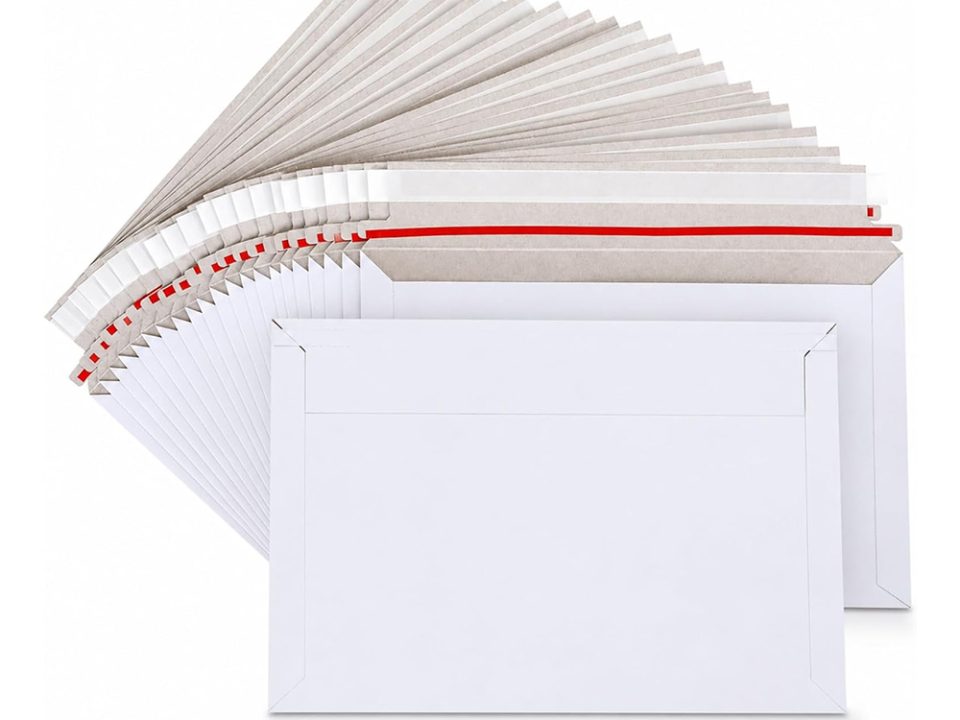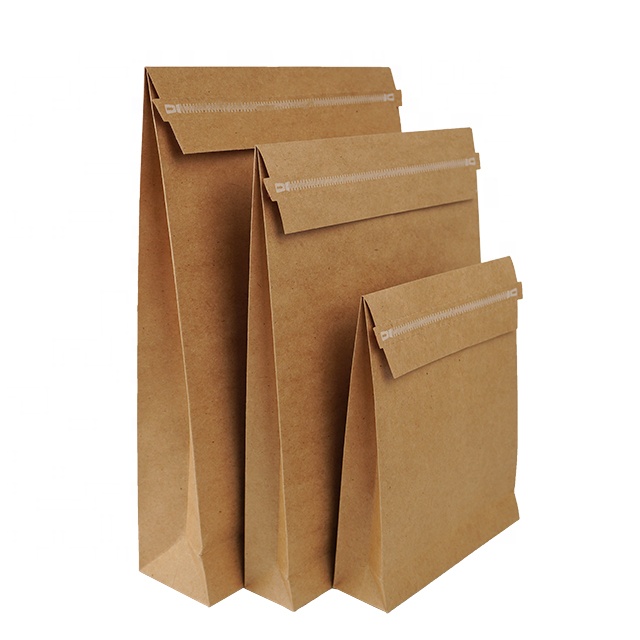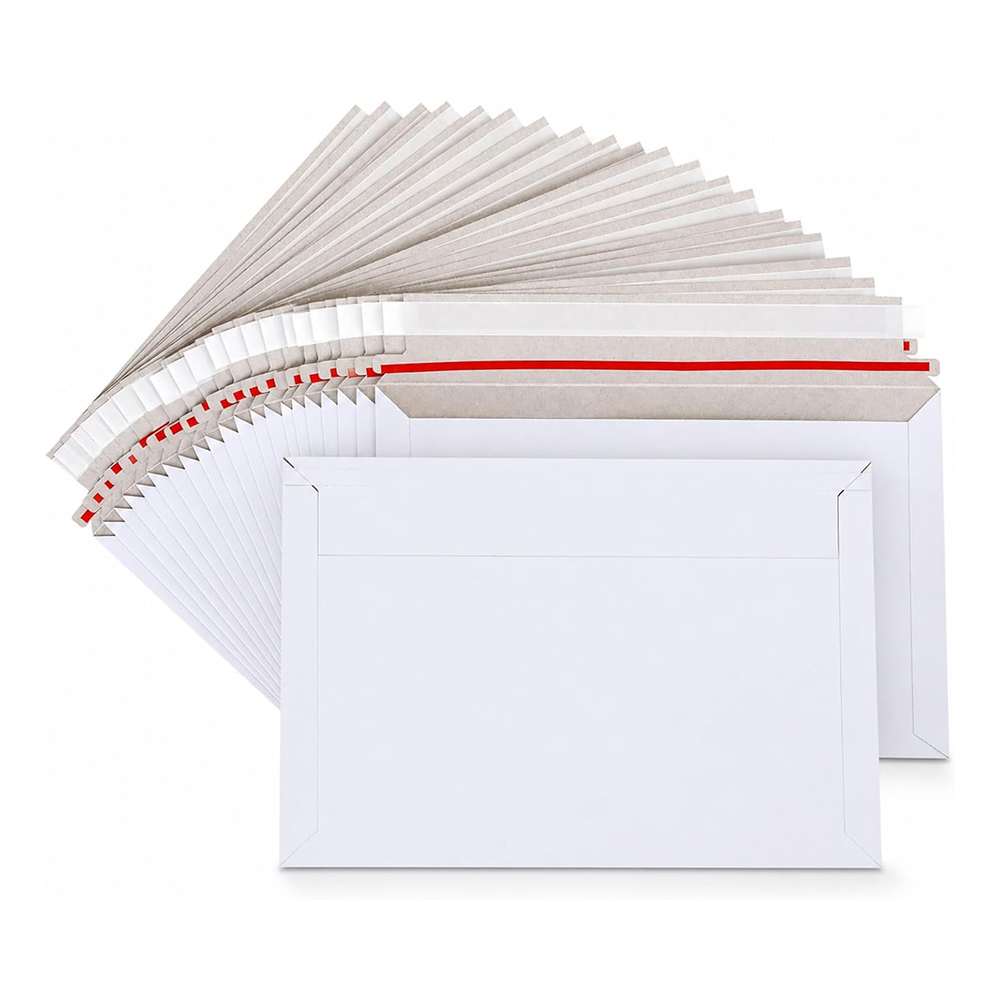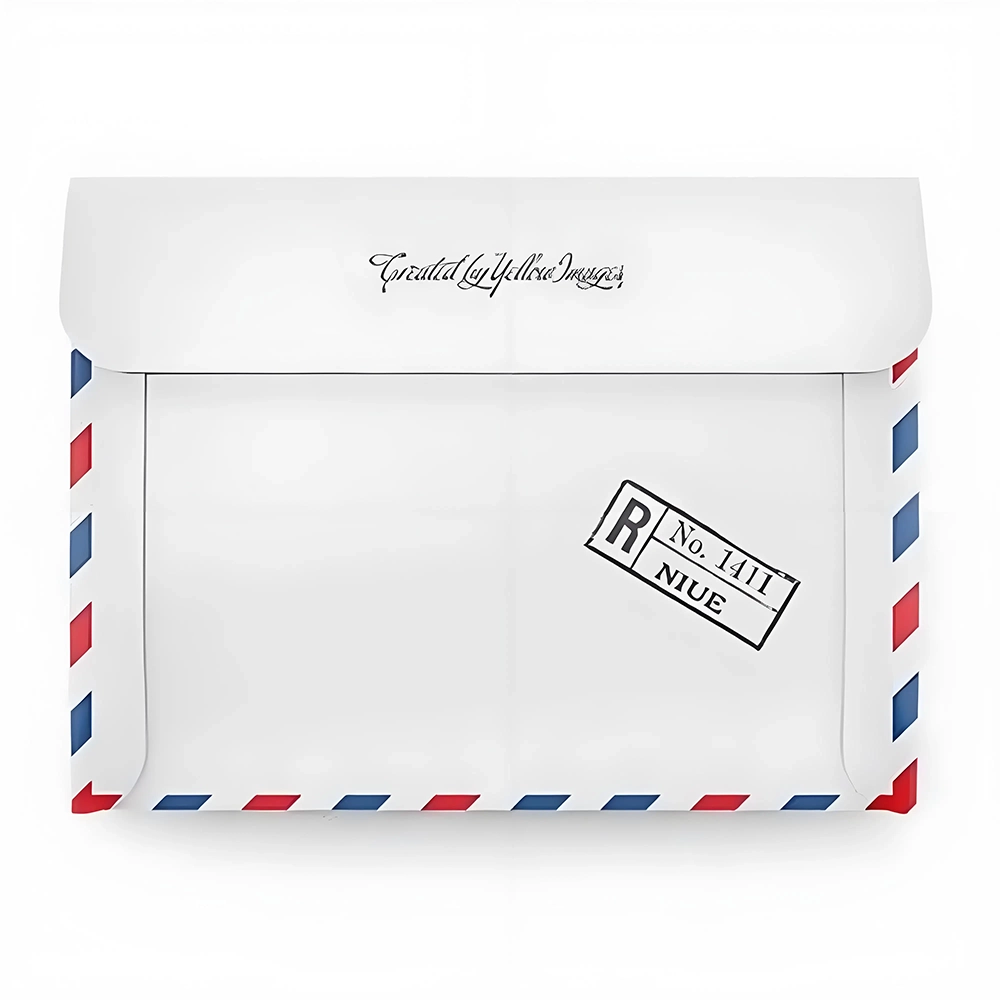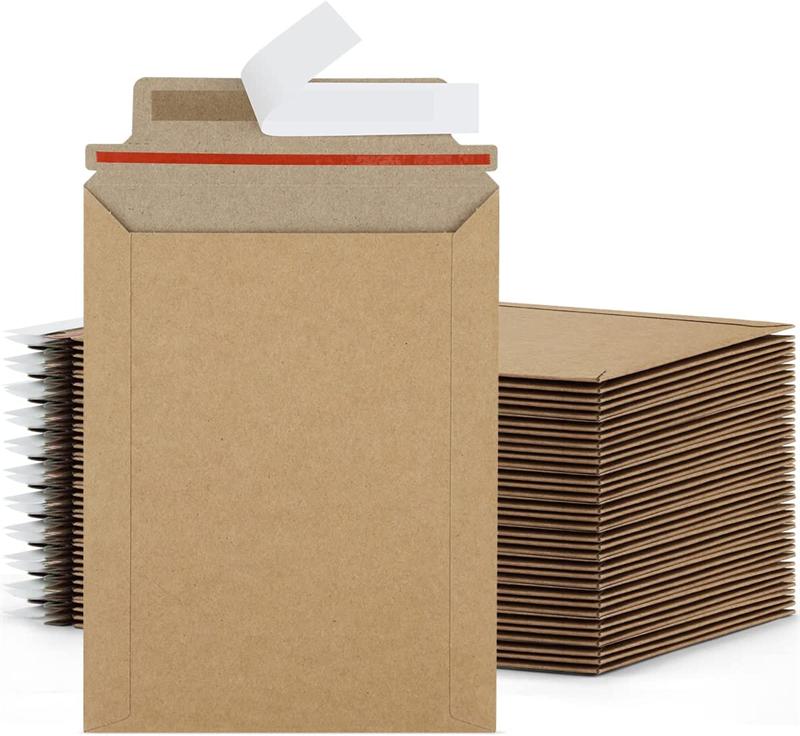
Choosing the right envelope material affects everything: first impressions, print quality, durability, postage costs, and even whether your mail gets opened. With dozens of materials available — from budget-friendly kraft to premium pearlescent — selecting the wrong one can undermine your entire mailing campaign.
This comprehensive guide compares 9 popular envelope materials head-to-head: kraft, coated (art paper), linen, pearlescent, recycled, vellum, metallic, cotton, and standard white wove. You’ll learn the pros and cons of each, cost comparisons, best use cases, print compatibility, and how to choose the right material for your specific project — whether it’s wedding invitations, business mail, or marketing campaigns.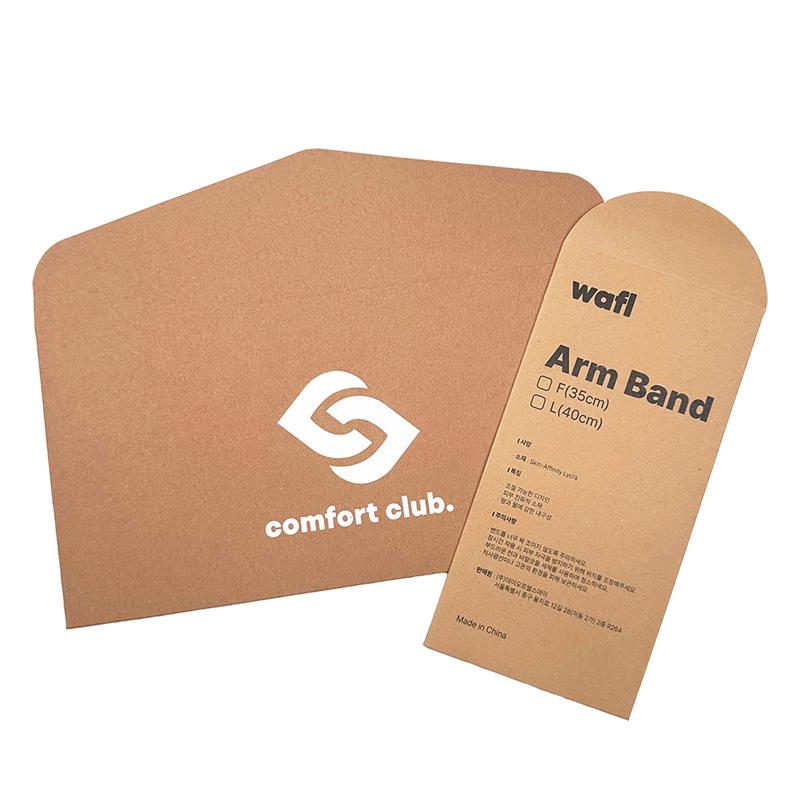
⚡ Quick Summary: 9 Envelope Materials at a Glance
- ✅ Kraft: Eco-friendly, natural look, budget-friendly
- ✅ Coated (Art Paper): Best print quality, vibrant colors
- ✅ Linen: Textured elegance, professional appearance
- ✅ Pearlescent: Luxury shimmer, premium events
- ✅ Recycled: Sustainable choice, eco-conscious brands
- ✅ Vellum: Translucent, romantic, layered designs
- ✅ Metallic: Eye-catching foil effects, high impact
- ✅ Cotton: Ultra-premium, tactile luxury
- ✅ White Wove: Standard business, versatile, affordable
📋 Table of Contents
Why Envelope Material Matters
The envelope material you choose impacts far more than appearance. Here’s what’s at stake.
Key Factors Affected by Material Choice
| Factor | Impact | Why It Matters |
|---|---|---|
| First Impression | Sets tone before opening | Recipients judge content by envelope quality |
| Print Quality | Affects color vibrancy & detail | Some materials reproduce colors better |
| Durability | Protection during shipping | Prevents damage, tearing, wear |
| Postage Cost | Weight affects mailing rates | Heavier materials = higher postage |
| Brand Perception | Communicates brand values | Eco, luxury, professional, casual |
| Cost Per Unit | Varies 3-10x between materials | Significant budget impact at scale |
💡 Key Insight: Studies show that premium envelope materials increase open rates by 15-30% compared to standard white envelopes. The material signals importance and value before the recipient even sees your content.
9 Envelope Materials: Head-to-Head Comparison
Here’s how all 9 materials compare across key criteria.
Complete Material Comparison Chart (2026)
| Material | Cost | Print Quality | Durability | Eco-Friendly | Best For |
|---|---|---|---|---|---|
| Kraft ⭐ | $ | Good | Excellent | ✅ Excellent | Eco brands, rustic events |
| Coated (Art Paper) ⭐ | $$ | Excellent | Good | 🟡 Fair | Marketing, full-color print |
| Linen ⭐ | $$ | Good | Excellent | 🟡 Fair | Business, professional |
| Pearlescent | $$$ | Very Good | Good | 🟡 Fair | Luxury weddings, premium |
| Recycled ⭐ | $$ | Good | Good | ✅ Excellent | Eco-conscious brands |
| Vellum | $$$ | Limited | Fair | 🟡 Fair | Overlays, romantic |
| Metallic | $$$$ | Specialty | Good | ❌ Poor | High-impact marketing |
| Cotton | $$$$$ | Excellent | Excellent | ✅ Excellent | Ultra-luxury, VIP |
| White Wove ⭐ | $ | Very Good | Good | 🟡 Fair | Business, general use |
Note: Cost ratings are relative. $ = budget, $$ = moderate, $$$ = premium, $$$$ = luxury, $$$$$ = ultra-premium.
💡 Most Popular Choices: Kraft, Coated, Linen, Recycled, and White Wove account for over 80% of all custom envelope orders. The remaining materials (Pearlescent, Vellum, Metallic, Cotton) are specialty choices for specific use cases.
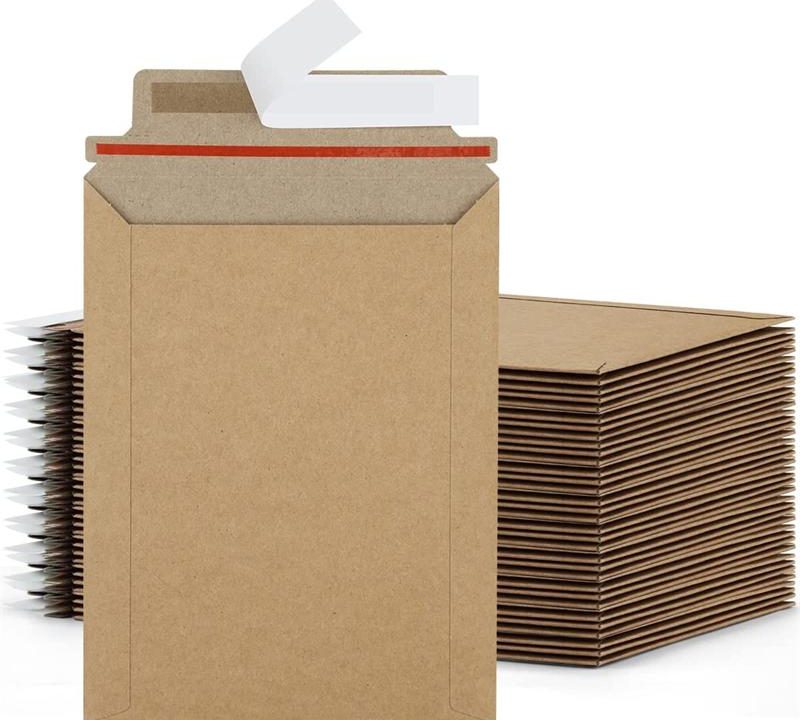
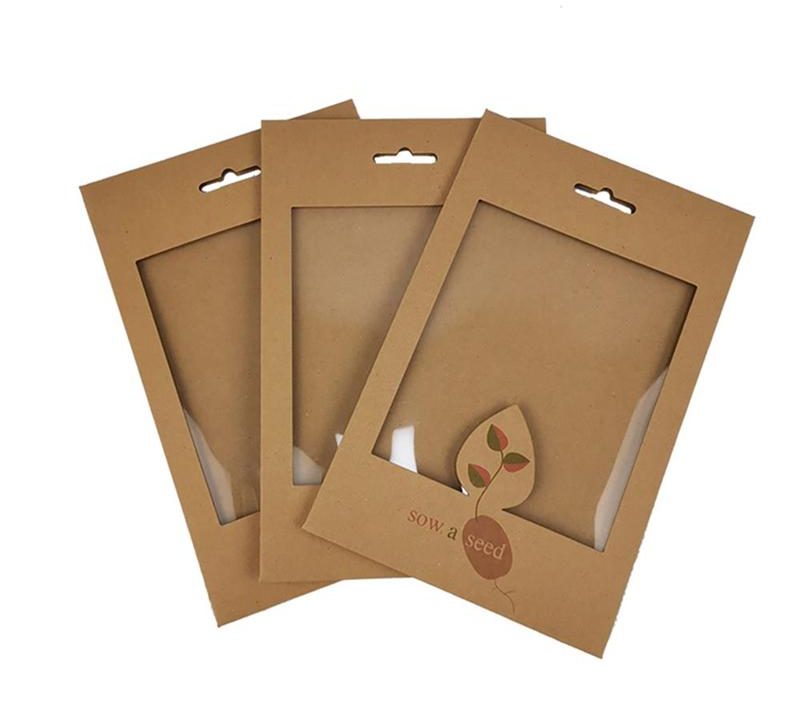
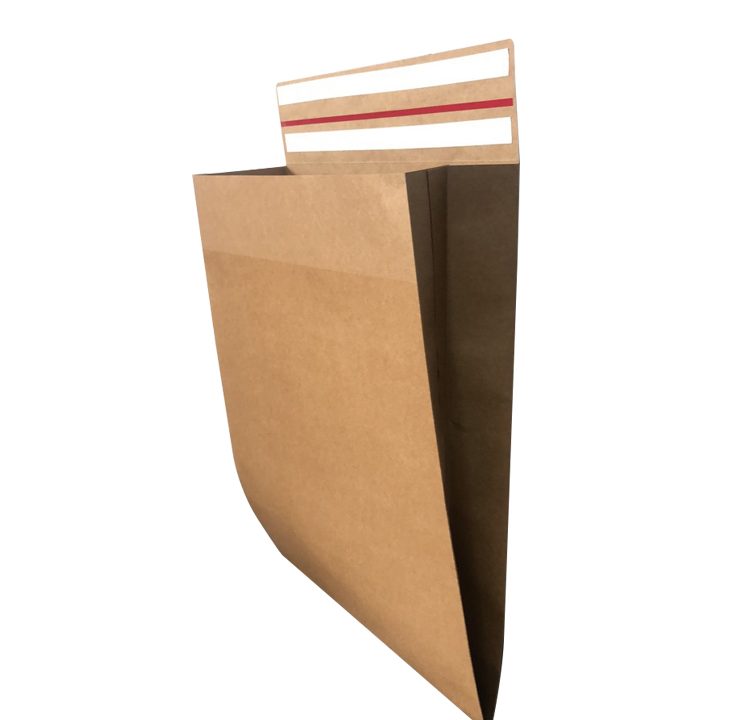
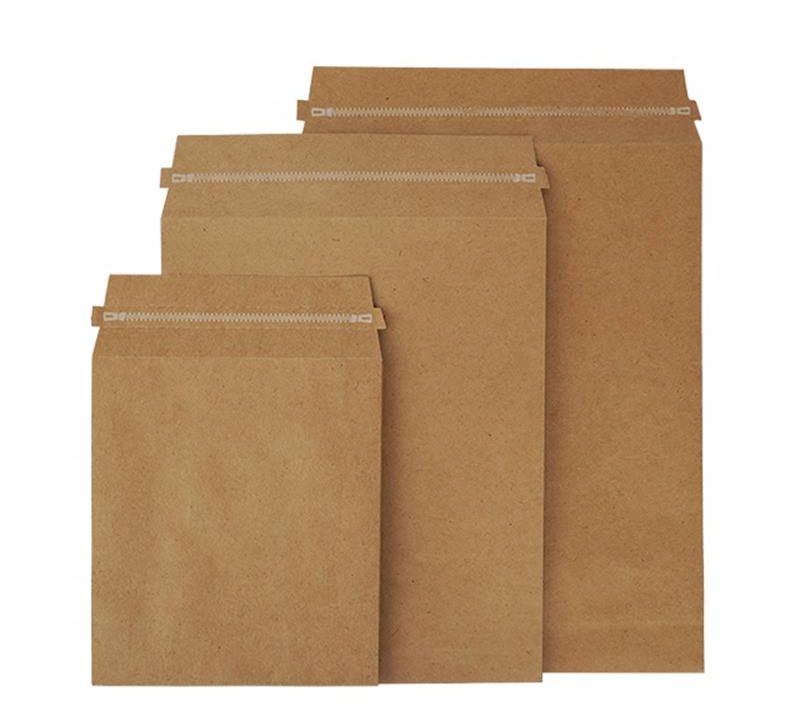
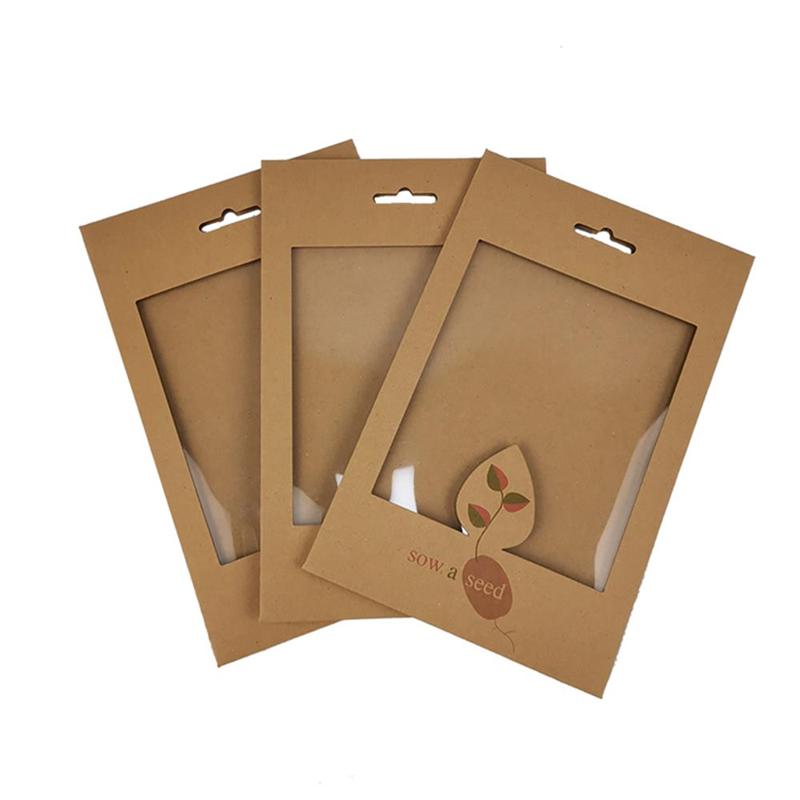
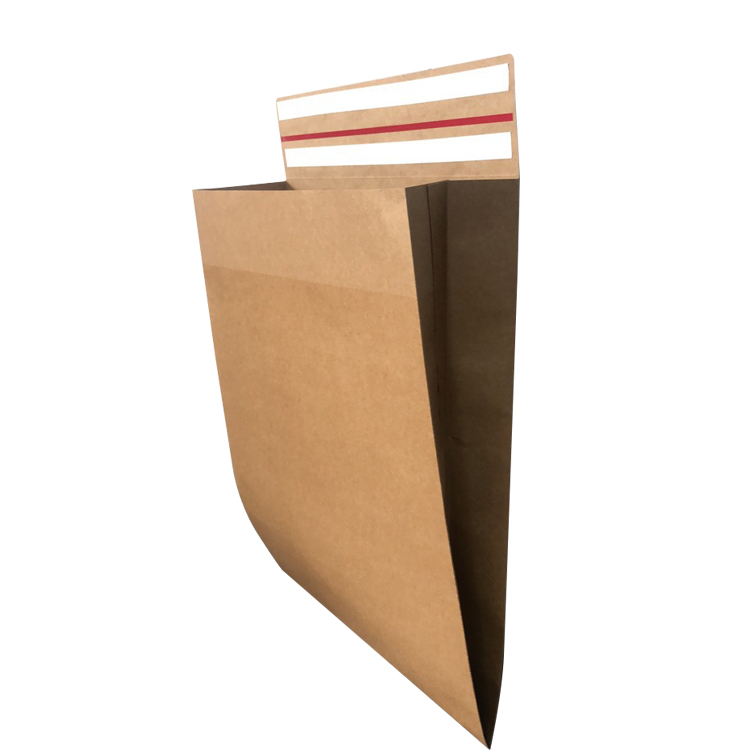
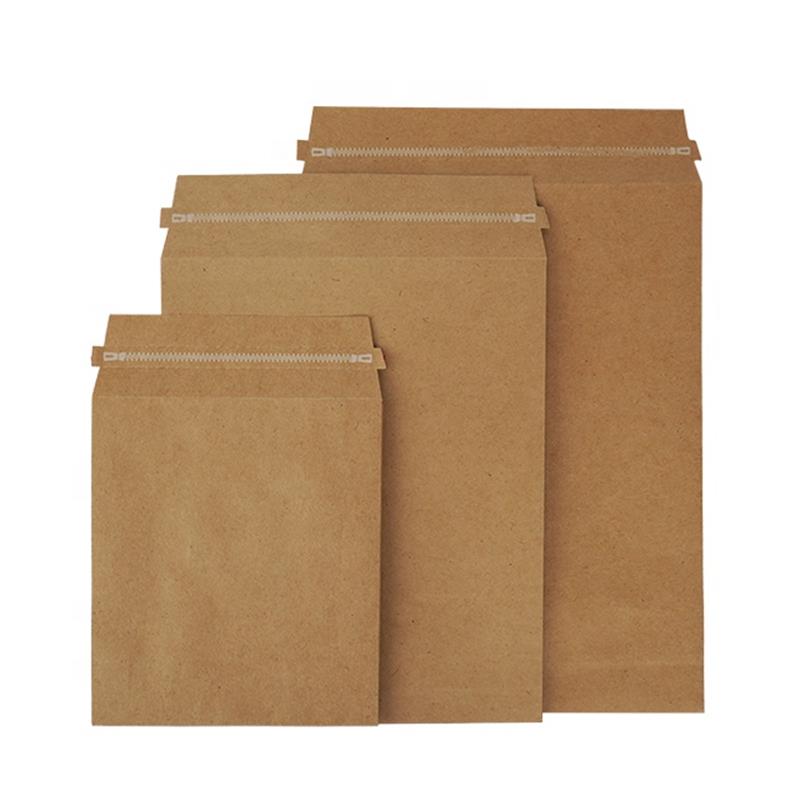
1. Kraft Envelopes
Natural, eco-friendly, and budget-conscious — kraft envelopes have become increasingly popular for brands and events emphasizing sustainability.
Kraft Envelope Specifications
| Property | Details |
|---|---|
| Material Composition | Unbleached wood pulp, natural brown color |
| Common Weights | 70gsm, 80gsm, 90gsm, 100gsm |
| Color Options | Natural brown, bleached white, dyed colors |
| Finish | Matte, natural texture |
| Print Compatibility | Flexography, offset, screen printing |
| Recyclability | 100% recyclable and biodegradable |
Pros & Cons: Kraft Envelopes
| Pros ✅ | Cons ❌ |
|---|---|
| • Most eco-friendly option | • Limited color reproduction |
| • Budget-friendly pricing | • Natural color may not match all brands |
| • Durable and tear-resistant | • Rustic look not suitable for formal events |
| • Natural, organic aesthetic | • Darker base affects print vibrancy |
| • Takes stamps and addressing well | • Texture may not suit fine detail printing |
Best Use Cases for Kraft Envelopes
- ✅ Eco-friendly brand packaging
- ✅ Rustic or outdoor weddings
- ✅ Farmer’s markets and organic products
- ✅ Artisan and handmade goods
- ✅ Casual event invitations
- ✅ Subscription box mailers
Cost Range (500-5,000 pieces)
| Quantity | Price Per Envelope | Total Cost |
|---|---|---|
| 500 pieces | $0.28-0.42 | $140-210 |
| 1,000 pieces | $0.22-0.35 | $220-350 |
| 2,500 pieces | $0.18-0.28 | $450-700 |
| 5,000 pieces | $0.15-0.24 | $750-1,200 |
💡 Pro Tip: Kraft envelopes work best with simple, bold designs — think single-color logos, hand-drawn illustrations, or minimalist typography. Avoid fine details and gradients. For best results, use dark ink colors (black, navy, deep green) that contrast well with the natural brown base.
2. Coated (Art Paper) Envelopes
Coated paper, also known as art paper, delivers the best print quality of all envelope materials — making it ideal for full-color marketing materials and brand-focused mailings.
Coated Envelope Specifications
| Property | Details |
|---|---|
| Material Composition | Wood pulp with clay/polymer coating |
| Common Weights | 90gsm, 105gsm, 128gsm, 157gsm, 200gsm |
| Finish Options | Gloss, matte, silk/satin |
| Surface | Smooth, uniform |
| Print Compatibility | Offset, digital, flexography (excellent) |
| Recyclability | Recyclable (check local facilities) |
Pros & Cons: Coated Envelopes
| Pros ✅ | Cons ❌ |
|---|---|
| • Best print quality & color vibrancy | • Shows fingerprints and smudges |
| • Smooth surface for fine details | • Gloss can create glare under certain light |
| • Professional, polished appearance | • Less eco-friendly than uncoated options |
| • Wide weight range available | • Coating can crack on sharp folds |
| • Cost-effective for full-color print | • Not ideal for handwritten addressing |
Best Use Cases for Coated Envelopes
- ✅ Marketing mailers and brochures
- ✅ Product catalogs
- ✅ Corporate communications
- ✅ Real estate listings
- ✅ Retail promotions
- ✅ Photo inserts and portfolios
Gloss vs Matte vs Silk Finish
| Finish | Appearance | Best For | Cost Impact |
|---|---|---|---|
| Gloss | Shiny, reflective | Photos, vibrant graphics | Standard |
| Matte | Non-reflective, smooth | Text-heavy, elegant designs | Standard |
| Silk/Satin | Soft sheen, subtle | Premium branding, luxury | +5-10% |
💡 Print Tip: For coated envelopes, matte finish is more forgiving with fingerprints and offers a more premium feel. Gloss maximizes color pop but shows handling marks. Silk/satin offers the best balance — subtle sheen without the drawbacks of high gloss.
3. Linen Envelopes
Linen envelopes feature a distinctive crosshatch texture that conveys professionalism and elegance — making them a timeless choice for business and formal correspondence.
Linen Envelope Specifications
| Property | Details |
|---|---|
| Material Composition | Paper with embossed linen texture pattern |
| Common Weights | 90gsm, 100gsm, 120gsm |
| Color Options | White, ivory, cream, black, navy, custom |
| Texture | Crosshatch linen pattern (embossed) |
| Print Compatibility | Letterpress, thermography, foil stamping |
| Recyclability | Recyclable (uncoated) |
Pros & Cons: Linen Envelopes
| Pros ✅ | Cons ❌ |
|---|---|
| • Elegant, professional appearance | • Texture affects fine print detail |
| • Tactile quality feels premium | • Not ideal for full-color photography |
| • Hides fingerprints and handling marks | • Slightly higher cost than smooth papers |
| • Excellent for foil stamping | • Texture may not suit modern/minimal brands |
| • Classic, timeless aesthetic | • Limited color vibrancy vs coated |
Best Use Cases for Linen Envelopes
- ✅ Business correspondence
- ✅ Formal event invitations
- ✅ Legal and professional documents
- ✅ Executive communications
- ✅ Thank you cards
- ✅ Certificate and award presentations
💡 Design Tip: Linen envelopes shine with letterpress printing, foil stamping, and thermography. The texture adds depth to debossed designs and makes foil work pop. Avoid full-color photos — stick to solid colors, simple logos, and elegant typography.
4. Pearlescent Envelopes
Pearlescent envelopes feature an iridescent shimmer that catches light beautifully — perfect for luxury events and premium brand communications.
Pearlescent Envelope Specifications
| Property | Details |
|---|---|
| Material Composition | Paper with pearlescent/mica coating |
| Common Weights | 100gsm, 120gsm, 130gsm |
| Color Options | Champagne, silver, gold, rose gold, blue, custom |
| Finish | Iridescent shimmer, color-shifting |
| Print Compatibility | Foil stamping, letterpress, screen print |
| Recyclability | Limited (coating may affect recycling) |
Pros & Cons: Pearlescent Envelopes
| Pros ✅ | Cons ❌ |
|---|---|
| • Stunning visual impact | • Premium pricing (2-3x standard) |
| • Unique, memorable appearance | • Limited print options (no CMYK) |
| • Perfect for luxury events | • Shimmer can clash with certain designs |
| • No additional decoration needed | • Color varies by lighting angle |
| • Photographs beautifully | • Not suitable for corporate/business |
Best Use Cases for Pearlescent Envelopes
- ✅ Luxury wedding invitations
- ✅ Gala and awards event invitations
- ✅ High-end product launches
- ✅ VIP client communications
- ✅ Anniversary celebrations
- ✅ Premium brand packaging
💡 Design Tip: With pearlescent envelopes, less is more. The shimmer is the star — add minimal decoration like a simple wax seal, belly band, or subtle foil monogram. Avoid heavy ink coverage that hides the beautiful base material.
5. Recycled Envelopes
Recycled envelopes are made from post-consumer waste (PCW) content, offering an eco-friendly choice for environmentally conscious brands and individuals.
Recycled Envelope Specifications
| Property | Details |
|---|---|
| Material Composition | Post-consumer waste (PCW) + virgin fiber |
| PCW Content | 30%, 50%, 70%, 100% options |
| Common Weights | 80gsm, 90gsm, 100gsm |
| Color Options | Natural, white, off-white, kraft |
| Certifications | FSC Recycled, Green Seal, EPA |
| Recyclability | 100% recyclable (check local facilities) |
Pros & Cons: Recycled Envelopes
| Pros ✅ | Cons ❌ |
|---|---|
| • Environmentally responsible choice | • Slightly higher cost than virgin paper |
| • Appeals to eco-conscious recipients | • May have slight color variation |
| • Available in various weights/finishes | • Texture may be less smooth |
| • Certifications verify claims (FSC, etc.) | • 100% PCW has limited print quality |
| • Reduces landfill waste | • Not all recycled content is equal |
Best Use Cases for Recycled Envelopes
- ✅ Eco-friendly brand communications
- ✅ Sustainability reports
- ✅ Green event invitations
- ✅ Nonprofit mailings
- ✅ Corporate CSR initiatives
- ✅ Organic/natural product brands
💡 Certification Tip: Look for FSC Recycled certification to verify recycled content claims. For best print quality with eco benefits, choose 50-70% PCW — it balances sustainability with smooth printing surface. 100% PCW is most eco-friendly but has more texture and color variation.
6. Vellum Envelopes
Vellum is a translucent material that creates romantic, layered effects — perfect for overlay designs and see-through elegance.
Vellum Envelope Specifications
| Property | Details |
|---|---|
| Material Composition | Translucent paper (cellulose-based) |
| Common Weights | 90gsm, 100gsm, 115gsm |
| Transparency | Semi-transparent to highly translucent |
| Finish | Smooth, slight sheen |
| Print Compatibility | Screen printing, foil stamping, letterpress |
| Recyclability | Limited (specialty material) |
Pros & Cons: Vellum Envelopes
| Pros ✅ | Cons ❌ |
|---|---|
| • Unique translucent aesthetic | • Limited print options |
| • Creates layered, dimensional effects | • More fragile than opaque papers |
| • Romantic, ethereal appearance | • Contents visible (privacy concern) |
| • Perfect for overlays and wraps | • Higher cost than standard papers |
| • Photographs beautifully | • Requires careful handling |
Best Use Cases for Vellum Envelopes
- ✅ Wedding invitation overlays
- ✅ Romantic event invitations
- ✅ Decorative belly bands
- ✅ Layered invitation suites
- ✅ Photo reveal envelopes
- ✅ Luxury packaging windows
💡 Design Tip: Vellum works best as an overlay or outer wrap rather than a functional envelope. Use it to partially reveal the invitation beneath, creating anticipation. Pair with solid envelopes for actual mailing to protect contents and ensure privacy.
7. Metallic Envelopes
Metallic envelopes feature foil-like surfaces that create maximum visual impact — ideal for high-energy marketing and standout communications.
Metallic Envelope Specifications
| Property | Details |
|---|---|
| Material Composition | Paper with metallic foil laminate |
| Common Weights | 100gsm, 120gsm, 130gsm |
| Color Options | Gold, silver, copper, rose gold, holographic |
| Finish | High-shine metallic, reflective |
| Print Compatibility | Screen printing, UV print, foil stamping |
| Recyclability | Poor (foil laminate not recyclable) |
Pros & Cons: Metallic Envelopes
| Pros ✅ | Cons ❌ |
|---|---|
| • Maximum visual impact | • Highest cost category |
| • Instantly eye-catching | • Not eco-friendly |
| • Perfect for promotions | • Limited print methods |
| • Stands out in mail pile | • Can look tacky if overdone |
| • No additional decoration needed | • Shows fingerprints easily |
Best Use Cases for Metallic Envelopes
- ✅ High-impact marketing campaigns
- ✅ Nightclub and event promotions
- ✅ Product launch announcements
- ✅ Limited edition offers
- ✅ Holiday promotions
- ✅ Attention-grabbing direct mail
💡 Use Sparingly: Metallic envelopes are powerful but expensive. Use them for high-value prospects or time-sensitive promotions where the extra cost is justified by conversion rates. Not recommended for regular mailings or eco-conscious brands.
8. Cotton Envelopes
Cotton envelopes represent the pinnacle of paper luxury — soft, tactile, and unmistakably premium. Reserved for the most important communications.
Cotton Envelope Specifications
| Property | Details |
|---|---|
| Material Composition | 100% cotton fiber or cotton blend |
| Cotton Content | 25%, 50%, 75%, 100% options |
| Common Weights | 100gsm, 120gsm, 140gsm, 160gsm |
| Texture | Soft, luxurious, substantial feel |
| Print Compatibility | Letterpress, engraving, foil stamping |
| Recyclability | Excellent (natural fiber) |
Pros & Cons: Cotton Envelopes
| Pros ✅ | Cons ❌ |
|---|---|
| • Ultimate luxury feel | • Most expensive option (5-10x standard) |
| • Exceptional tactile quality | • Overkill for most applications |
| • Perfect for letterpress | • Higher postage (heavier weight) |
| • Naturally archival quality | • Limited color options |
| • Eco-friendly, biodegradable | • Requires special handling |
Best Use Cases for Cotton Envelopes
- ✅ VIP client communications
- ✅ Executive correspondence
- ✅ High-end wedding invitations
- ✅ Luxury brand packaging
- ✅ Award and recognition letters
- ✅ Heirloom-quality documents
💡 Luxury Tip: Cotton envelopes pair beautifully with letterpress printing and engraving. The soft fibers create deep impression and exceptional tactile feedback. For maximum impact, combine with wax seals and handwritten calligraphy addressing.
9. White Wove Envelopes
White wove is the versatile workhorse of envelope materials — smooth, affordable, and suitable for virtually any application.
White Wove Envelope Specifications
| Property | Details |
|---|---|
| Material Composition | Virgin wood pulp, uncoated |
| Common Weights | 70gsm, 80gsm, 90gsm, 100gsm |
| Color Options | Bright white, natural white, off-white |
| Finish | Smooth, matte |
| Print Compatibility | Offset, digital, inkjet, laser (excellent) |
| Recyclability | 100% recyclable |
Pros & Cons: White Wove Envelopes
| Pros ✅ | Cons ❌ |
|---|---|
| • Most affordable option | • Plain appearance (not distinctive) |
| • Excellent print compatibility | • Perceived as standard/generic |
| • Widely available in all sizes | • Less premium feel |
| • Works with all printers | • Shows fingerprints on bright white |
| • Professional, clean appearance | • Doesn’t stand out in mail |
Best Use Cases for White Wove Envelopes
- ✅ Everyday business correspondence
- ✅ Invoice and statement mailing
- ✅ Internal company communications
- ✅ High-volume direct mail
- ✅ Transactional mail
- ✅ Budget-conscious projects
💡 Budget Tip: White wove is the most cost-effective choice for high-volume mailings where appearance is secondary to function. Upgrade to linen or coated for customer-facing communications where first impressions matter.
Cost Comparison: All 9 Materials
Here’s how all materials compare on pricing across different quantities.
Per-Envelope Cost by Material & Quantity (2026)
| Material | 500 pcs | 1,000 pcs | 2,500 pcs | 5,000 pcs |
|---|---|---|---|---|
| Kraft | $0.28-0.42 | $0.22-0.35 | $0.18-0.28 | $0.15-0.24 |
| White Wove | $0.25-0.38 | $0.20-0.32 | $0.16-0.26 | $0.13-0.22 |
| Coated (Art Paper) | $0.35-0.52 | $0.28-0.42 | $0.22-0.35 | $0.18-0.30 |
| Linen | $0.42-0.62 | $0.35-0.50 | $0.28-0.42 | $0.24-0.36 |
| Recycled | $0.38-0.55 | $0.30-0.45 | $0.24-0.38 | $0.20-0.32 |
| Vellum | $0.65-0.95 | $0.52-0.78 | $0.42-0.65 | $0.36-0.55 |
| Pearlescent | $0.72-1.05 | $0.58-0.85 | $0.48-0.72 | $0.40-0.62 |
| Metallic | $0.95-1.40 | $0.78-1.15 | $0.65-0.95 | $0.55-0.82 |
| Cotton | $1.50-2.50 | $1.25-2.10 | $1.05-1.80 | $0.90-1.55 |
Note: Prices are for standard A7 size (5.25″ × 7.25″) with basic printing. Custom sizes, complex printing, and special finishes will affect pricing. Prices based on 2026 market rates from Chinese manufacturers.
💡 Cost Insight: Ordering 5,000+ pieces can reduce per-unit costs by 40-50% compared to 500-piece orders. For premium materials (Cotton, Metallic, Pearlescent), the absolute savings are significant — potentially $500-1,500+ on a single order.
Material Selection Guide: Which Is Right for You?
Use this decision framework to choose the perfect material for your project.
Selection by Project Type
| Project Type | Top Choice | Budget Alternative | Premium Upgrade |
|---|---|---|---|
| Wedding Invitations | Linen or Pearlescent | Coated Matte | Cotton |
| Business Mail | White Wove or Linen | White Wove | Cotton |
| Marketing Mailers | Coated (Art Paper) | White Wove | Metallic |
| Eco-Friendly Brand | Kraft or Recycled | Kraft | 100% PCW Recycled |
| Luxury Events | Pearlescent or Cotton | Linen | 100% Cotton |
| Product Packaging | Kraft or Coated | Kraft | Metallic |
| Direct Mail Campaigns | White Wove or Coated | White Wove | Metallic (for VIP) |
| Thank You Cards | Linen or Recycled | White Wove | Cotton |
Selection by Budget
| Budget Level | Recommended Materials | Expected Cost (1,000 pcs) |
|---|---|---|
| Budget-Conscious | White Wove, Kraft | $200-350 |
| Moderate | Coated, Linen, Recycled | $300-500 |
| Premium | Pearlescent, Vellum | $500-850 |
| Luxury | Metallic, Cotton | $800-2,100+ |
Quick Decision Matrix
Answer these 4 questions to find your perfect material:
- What’s your budget per envelope?
- Under $0.30 → Kraft, White Wove
- $0.30-0.50 → Coated, Linen, Recycled
- $0.50-1.00 → Pearlescent, Vellum
- $1.00+ → Metallic, Cotton
- What’s the primary goal?
- Print quality → Coated
- Eco-friendly → Kraft, Recycled
- Luxury feel → Cotton, Pearlescent
- Professional → Linen, White Wove
- Will you print full-color graphics?
- Yes → Coated, White Wove
- No (solid colors/foil) → Linen, Pearlescent, Cotton
- Who is the recipient?
- Customers/clients → Match brand positioning
- Friends/family → Personal preference
- Business partners → Professional (Linen, Cotton)
💡 Final Tip: When in doubt, order samples of your top 2-3 material choices. Hold them, feel them, test your print design on them. The $50-150 sample cost is insignificant compared to ordering 1,000+ envelopes of the wrong material.
FAQ: Envelope Materials
Which envelope material is best for full-color printing?
Coated (Art Paper) envelopes deliver the best full-color print quality. The smooth, clay-coated surface allows for vibrant color reproduction, sharp details, and professional results. Gloss, matte, and silk finishes are all excellent choices for marketing materials with photos or complex graphics.
What is the most eco-friendly envelope material?
Kraft envelopes are the most eco-friendly option — made from unbleached wood pulp, fully biodegradable, and recyclable. 100% Post-Consumer Waste (PCW) Recycled envelopes are equally sustainable. For certifications, look for FSC Recycled or Green Seal labels to verify environmental claims.
Which envelope material looks most professional for business?
Linen envelopes are the gold standard for professional business correspondence. The subtle crosshatch texture conveys quality and attention to detail. Cotton envelopes are the ultra-premium choice for executive communications and VIP clients.
What envelope material is best for wedding invitations?
Linen and Pearlescent are the most popular choices for wedding invitations. Linen offers timeless elegance with excellent print compatibility. Pearlescent provides stunning shimmer for luxury weddings. For ultra-premium weddings, 100% Cotton with letterpress printing is unmatched.
Can I use metallic envelopes for direct mail marketing?
Yes, but use strategically. Metallic envelopes have exceptional standout power for direct mail — open rates can increase 20-40%. However, they’re expensive ($0.55-1.40 per piece). Best for high-value prospects, VIP customers, or time-sensitive promotions where ROI justifies the cost.
What’s the difference between kraft and recycled envelopes?
Kraft is made from unbleached virgin wood pulp (natural brown color). Recycled is made from post-consumer waste (PCW) content. Both are eco-friendly, but recycled has higher environmental credentials. Kraft is more durable and budget-friendly; recycled appeals more to eco-conscious consumers.
How much does envelope material affect postage costs?
Material affects weight, which impacts postage. Standard materials (70-100gsm) stay within 1 oz letter rate. Heavier materials like cotton (140-160gsm) or multiple enclosures may push into 2 oz+ rates (+$0.28 per additional oz in 2026). For 1,000 envelopes, this could add $280+ to postage costs.
Ready to Choose Your Perfect Envelope Material?
Whether you need budget-friendly kraft or ultra-luxury cotton, the right material makes all the difference.
🏭 Alice Print: All 9 Materials Available
- ✅ Full range: Kraft, Coated, Linen, Pearlescent, Recycled, Vellum, Metallic, Cotton, White Wove
- ✅ Free material samples (500+ order quantity)
- ✅ Custom printing: offset, digital, foil stamping, letterpress
- ✅ Low MOQs: 300-500 pieces for most materials
- ✅ Fast production: 3-day samples, 10-day mass production
- ✅ Competitive pricing: 30-50% savings vs domestic suppliers
- ✅ Eco-certifications: FSC, recycled content verification
Get free material samples and a custom quote:
Last updated: April 2026 | Alice Print — Direct Envelope Manufacturer (9 Materials Available, Free Samples, ISO Certified)