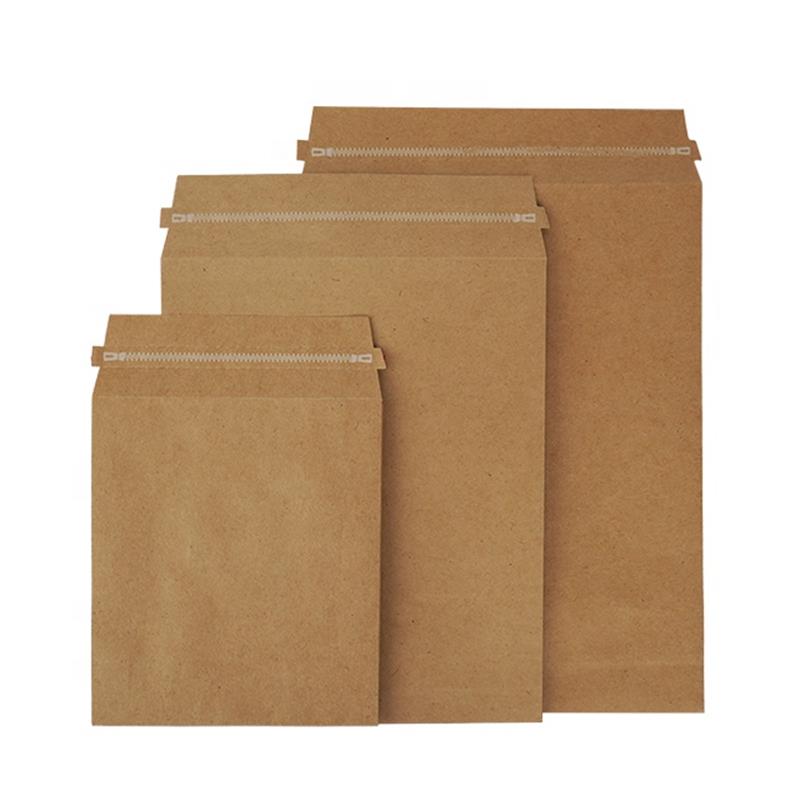
Choosing the wrong envelope size can lead to mail delays, extra postage costs, or worse — your carefully designed contents getting damaged or rejected. With dozens of standard sizes and countless custom options, finding the right envelope doesn’t have to be confusing.
This comprehensive envelope size guide covers everything you need to know: standard sizes (A7, A8, A9, A10, #10), invitation envelopes, business envelopes, international sizing, postage considerations, and how to measure correctly. Whether you’re mailing wedding invitations, business documents, or marketing materials, you’ll learn exactly which envelope size fits your needs.
⚡ Quick Summary: Most Common Envelope Sizes
- ✅ A7 (5.25″ × 7.25″): Standard invitations, greeting cards
- ✅ A8 (5.5″ × 8.125″): Larger invitations, announcements
- ✅ A9 (5.75″ × 8.75″): Premium invitations, photos
- ✅ A10 (6″ × 9.5″): Large cards, small documents
- ✅ #10 (4.125″ × 9.5″): Business letters, invoices
- ✅ #9 (3.875″ × 8.875″): Smaller business mail
Why Envelope Size Matters
Envelope size affects more than just fit — it impacts cost, delivery, and presentation.
Key Reasons to Choose the Right Size
| Factor |
If Too Small |
If Too Large |
If Just Right |
| Content Protection |
Damage, tearing, bending |
Contents shift, may fold |
Secure fit, protected |
| Postage Cost |
May be non-machinable |
Higher rates (large envelope) |
Standard letter rate |
| Processing Speed |
May jam sorting machines |
Manual processing required |
Fast automated sorting |
| Professional Appearance |
Looks cramped, unprofessional |
Looks sloppy, wasteful |
Clean, professional look |
| Delivery Reliability |
May be returned/delayed |
Higher loss risk |
Reliable delivery |
💡 Key Rule: Your envelope should be at least 1/8″ (3mm) larger than your contents on all sides for easy insertion, but no more than 1/4″ (6mm) larger to prevent excessive shifting during transit.
Standard Envelope Sizes Chart
Here’s a comprehensive reference for the most common envelope sizes used in North America.
Complete Envelope Size Reference (2026)
| Envelope Type |
Size (Inches) |
Size (mm) |
Best For |
Fits Content Up To |
| A2 ⭐ |
4.375″ × 5.75″ |
111 × 146 mm |
Small cards, thank you notes |
4.125″ × 5.5″ |
| A6 |
4.75″ × 6.5″ |
121 × 165 mm |
Greeting cards, small invites |
4.5″ × 6.25″ |
| A7 ⭐ |
5.25″ × 7.25″ |
133 × 184 mm |
Standard invitations, RSVP cards |
5″ × 7″ |
| A8 ⭐ |
5.5″ × 8.125″ |
140 × 206 mm |
Large invitations, announcements |
5.25″ × 7.875″ |
| A9 ⭐ |
5.75″ × 8.75″ |
146 × 222 mm |
Premium invitations, photos |
5.5″ × 8.5″ |
| A10 ⭐ |
6″ × 9.5″ |
152 × 241 mm |
Large cards, small documents |
5.75″ × 9.25″ |
| #6 3/4 |
3.625″ × 6.5″ |
92 × 165 mm |
Personal business, small letters |
3.375″ × 6.25″ |
| #9 ⭐ |
3.875″ × 8.875″ |
98 × 225 mm |
Small business mail, returns |
3.625″ × 8.625″ |
| #10 ⭐ |
4.125″ × 9.5″ |
105 × 241 mm |
Business letters, invoices |
3.875″ × 9.25″ |
| #11 |
4.5″ × 10.375″ |
114 × 264 mm |
Legal documents, contracts |
4.25″ × 10.125″ |
| #12 1/2 |
4.75″ × 11″ |
121 × 279 mm |
Legal size, large documents |
4.5″ × 10.75″ |
| #14 |
5″ × 11.5″ |
127 × 292 mm |
Large legal documents |
4.75″ × 11.25″ |
Note: All sizes are approximate and may vary slightly by manufacturer. Contents should be at least 1/8″ smaller than envelope interior dimensions.
💡 Most Popular Sizes: A7 is the #1 choice for wedding and event invitations. #10 is the standard for business correspondence. Together, these two sizes account for over 60% of all custom envelope orders.
Invitation Envelope Sizes
Invitation envelopes have specific sizing conventions based on card sizes and enclosure needs.
Common Invitation Envelope Sizes
| Occasion |
Recommended Size |
Card Size |
Enclosures |
| Wedding Invitations |
A7 (5.25″ × 7.25″) |
5″ × 7″ |
RSVP card, details card |
| Large Wedding Invitations |
A8 (5.5″ × 8.125″) |
5.25″ × 7.875″ |
Multiple enclosures |
| Premium Weddings |
A9 (5.75″ × 8.75″) |
5.5″ × 8.5″ |
Photo, multiple cards |
| Birthday Parties |
A6 (4.75″ × 6.5″) |
4.5″ × 6.25″ |
Single card |
| Baby Showers |
A7 (5.25″ × 7.25″) |
5″ × 7″ |
RSVP, registry info |
| Graduation Announcements |
A8 or A9 |
5″ × 7″ or 5.5″ × 8.5″ |
Photo, card |
| Holiday Cards |
A7 or A9 |
5″ × 7″ or 5.5″ × 8.5″ |
Photo insert |
| Save the Date |
A6 or A7 |
4.5″ × 6.25″ or 5″ × 7″ |
Single card |
Invitation Envelope Size Selection Guide
Step-by-Step Selection Process:
- Measure your invitation card — Length × Width × Thickness
- Add all enclosures — RSVP cards, detail cards, photos, etc.
- Consider envelope lining — Adds 0.5-1mm to thickness
- Add clearance — Minimum 1/8″ (3mm) on all sides
- Check postage requirements — Square envelopes may cost more
- Order samples — Test fit before mass production
💡 Pro Tip: For invitations with multiple enclosures (invitation + RSVP + details card + photo), size up! An A8 or A9 envelope prevents stuffing difficulties and reduces the risk of tearing during insertion.
Business Envelope Sizes
Business envelopes follow different conventions optimized for letters, invoices, and documents.
Business Envelope Size Reference
| Use Case |
Recommended Size |
Folds Required |
Notes |
| Standard Business Letter |
#10 (4.125″ × 9.5″) |
Tri-fold (8.5″ × 11″) |
Most common business size |
| Letter Without Folding |
#12 1/2 (4.75″ × 11″) |
None (8.5″ × 11″ flat) |
Premium presentation |
| Legal Documents |
#14 (5″ × 11.5″) |
None (8.5″ × 14″ flat) |
Legal size documents |
| Small Business Mail |
#9 (3.875″ × 8.875″) |
Tri-fold |
Fits in #10 for return |
| Invoices & Statements |
#10 or #9 |
Bi-fold or tri-fold |
Window or solid |
| Marketing Mailers |
#10 or A10 |
Varies |
Custom printing recommended |
| Personal Business |
#6 3/4 (3.625″ × 6.5″) |
Bi-fold |
Thank you, personal notes |
| Return Envelopes |
#9 or #10 |
Pre-folded |
Include with outgoing mail |
Letter Fold Guide
| Fold Type |
Folded Size |
Fits Envelope |
Best For |
| Single Fold (Bi-fold) |
4.25″ × 8.5″ |
#9, #10 |
Short letters, minimal bulk |
| Tri-Fold (C-Fold) |
3.67″ × 8.5″ |
#10 (standard) |
Standard business letters |
| Half-Fold |
5.5″ × 8.5″ |
A9, A10 |
Presentations, brochures |
| No Fold (Flat) |
8.5″ × 11″ |
#12 1/2, #14 |
Premium documents, legal |
💡 Business Standard: The #10 envelope is the universal standard for business correspondence in North America. If you’re ordering custom business envelopes and unsure, #10 is the safest choice — it’s compatible with standard letter-size paper (8.5″ × 11″) tri-folded.
International Envelope Sizes (A-Series)
International A-series sizes are based on ISO 216 paper standards and are common in Europe, Asia, and Australia.
A-Series Envelope Size Chart
| Size |
Dimensions (mm) |
Dimensions (Inches) |
Fits Paper Size |
US Equivalent |
| C6 |
114 × 162 mm |
4.49″ × 6.38″ |
A6 (folded) |
A6 |
| C5 |
162 × 229 mm |
6.38″ × 9.02″ |
A5 (unfolded) / A4 (folded) |
A8/A9 |
| C4 |
229 × 324 mm |
9.02″ × 12.76″ |
A4 (unfolded) |
#12 1/2 |
| DL |
110 × 220 mm |
4.33″ × 8.66″ |
A4 (tri-folded) |
#10 |
US vs International Size Comparison
| Purpose |
US Size |
International Size |
Difference |
| Standard Invitation |
A7 (5.25″ × 7.25″) |
C6 (4.49″ × 6.38″) |
US is larger |
| Business Letter |
#10 (4.125″ × 9.5″) |
DL (4.33″ × 8.66″) |
Similar, US longer |
| A4 Documents |
#12 1/2 (4.75″ × 11″) |
C4 (9.02″ × 12.76″) |
C4 fits A4 flat |
💡 International Shipping: If you’re mailing internationally, use the destination country’s standard sizes. European recipients expect DL or C5 sizes. Using US standard sizes (#10, A7) may result in higher postage or processing delays abroad.
How to Measure Envelopes Correctly
Proper measurement prevents ordering mistakes. Here’s the right way to measure.
Envelope Measurement Basics
| Dimension |
How to Measure |
Common Mistake |
| Width |
Measure the shorter side (left to right) |
Measuring including flap |
| Height/Length |
Measure the longer side (bottom to top) |
Confusing width and height |
| Depth/Gusset |
Measure side expansion (if applicable) |
Not accounting for bulk |
Step-by-Step Measurement Guide
- Measure your content first — Length × Width × Thickness (including all enclosures)
- Add 1/8″ (3mm) minimum clearance — On all sides for easy insertion
- Consider envelope thickness — Lining and paper weight reduce interior space
- Account for flap — Don’t include flap in height measurement
- Check orientation — Portrait vs landscape affects which dimension is which
- Verify with samples — Always test before mass production
Measurement Formula
| Envelope Dimension |
Calculation |
Example |
| Envelope Width |
Content Width + 0.25″ (6mm) |
5″ + 0.25″ = 5.25″ |
| Envelope Height |
Content Height + 0.25″ (6mm) |
7″ + 0.25″ = 7.25″ |
| For Multiple Items |
Thickest Item + 0.125″ (3mm) |
0.02″ + 0.125″ = 0.145″ |
💡 Measurement Tip: Always measure the largest item in your envelope suite. If you’re including a photo, invitation card, RSVP card, and details card, measure the largest dimension among all pieces — that determines your minimum envelope size.
Postage Considerations by Size
Envelope size directly affects postage costs. Here’s what you need to know.
USPS Postage Categories by Size
| Category |
Size Requirements |
Weight Limit |
2026 Rate (First Class) |
| Standard Letter |
5″ × 7″ to 6.125″ × 11.5″ |
1 oz |
$0.73 |
| Standard Letter (Add’l oz) |
Same as above |
Each additional oz |
+$0.28 |
| Large Envelope (Flat) |
6.125″ × 11.5″ to 12″ × 15″ |
13 oz |
$1.56+ |
| Non-Machinable Surcharge |
Square, rigid, or unusual |
N/A |
+$0.44 |
Sizes That Trigger Non-Machinable Surcharge
| Characteristic |
Example |
Additional Cost |
| Square Envelopes |
5.5″ × 5.5″, 6″ × 6″ |
+$0.44 per envelope |
| Oversized for Height |
Height > 6.125″ |
Classified as Large Envelope |
| Too Rigid |
Thick cardboard, plastic |
+$0.44 per envelope |
| Closure Issues |
Clasps, strings, buttons |
+$0.44 per envelope |
| Irregular Shape |
Circular, triangular |
+$0.44 per envelope |
💡 Postage Savings: Square envelopes look elegant but cost an extra $0.44 per piece in non-machinable surcharges. For 500 invitations, that’s $220 extra postage! Consider rectangular sizes (A7, A8, A9) to avoid this fee while maintaining a premium look.
Common Envelope Size Mistakes
Avoid these costly and embarrassing mistakes when selecting envelope sizes.
Top 7 Envelope Size Mistakes
| Mistake |
Problem |
Solution |
Impact |
| 1. No Clearance |
Contents don’t fit or tear on insertion |
Add 1/8″ minimum on all sides |
$$$ (damaged contents) |
| 2. Ignoring Thickness |
Envelope won’t close or bursts open |
Measure total stack thickness |
$$ (remake costs) |
| 3. Square Without Budget |
Unexpected postage surcharges |
Choose rectangular or budget for +$0.44/pc |
$ (postage overage) |
| 4. Wrong Orientation |
Contents inserted sideways or upside down |
Specify portrait vs landscape |
$ (unprofessional appearance) |
| 5. Not Testing Samples |
Mass production has fit issues |
Always order and test samples first |
$$$ (full order unusable) |
| 6. Confusing US/International |
A7 (US) ≠ A7 (ISO) |
Specify which standard you’re using |
$$ (wrong product) |
| 7. Forgetting Lining Thickness |
Tight fit with lined envelopes |
Add extra 0.5-1mm for lining |
$ (difficult insertion) |
💡 Prevention: The single best way to avoid all these mistakes? Order samples first. Test your exact contents in the actual envelope before committing to mass production. The $50-150 sample cost is cheap insurance against a $5,000+ mistake.
When to Choose Custom Envelope Sizes
Sometimes standard sizes don’t work. Here’s when custom makes sense.
Custom vs Standard: Decision Guide
| Scenario |
Recommendation |
Why |
MOQ |
| Standard card size (5″ × 7″) |
Use A7 (standard) |
Perfect fit, lower cost |
300-500 pcs |
| Unique card dimensions |
Custom size |
Standard sizes don’t fit |
500-1,000 pcs |
| Thick enclosures (photos, magnets) |
Custom gusset |
Need extra depth |
500-1,000 pcs |
| Die-cut or shaped cards |
Custom size |
Irregular dimensions |
500-1,000 pcs |
| Brand-specific proportions |
Custom size |
Unique brand identity |
500-1,000 pcs |
| Small quantities (<300 pcs) |
Use closest standard |
Custom MOQ too high |
100-300 pcs |
Custom Size Cost Comparison
| Quantity |
Standard Size Cost |
Custom Size Cost |
Premium |
| 500 pieces |
$0.35-0.55/pc |
$0.45-0.70/pc |
+20-30% |
| 1,000 pieces |
$0.28-0.45/pc |
$0.35-0.55/pc |
+15-25% |
| 2,500 pieces |
$0.22-0.38/pc |
$0.26-0.45/pc |
+10-20% |
| 5,000+ pieces |
$0.18-0.32/pc |
$0.20-0.36/pc |
+5-15% |
💡 Custom Size Rule: Custom envelope sizes typically add 15-30% to the per-unit cost and require higher MOQs (500-1,000 vs 300-500). The premium decreases with quantity. For 5,000+ pieces, the difference becomes negligible — custom may be worth it for brand differentiation.
FAQ: Envelope Sizes
What is the most common envelope size for wedding invitations?
A7 (5.25″ × 7.25″) is the most popular size for wedding invitations. It perfectly fits standard 5″ × 7″ invitation cards with room for RSVP cards and enclosure cards. For larger invitations with multiple enclosures, A8 (5.5″ × 8.125″) or A9 (5.75″ × 8.75″) are common upgrades.
What size envelope do I need for a 5×7 card?
For a 5″ × 7″ card, use an A7 envelope (5.25″ × 7.25″). This provides 1/8″ clearance on all sides for easy insertion. If your card is exactly 5″ × 7″, don’t go smaller — it will be difficult to insert and may tear.
What is the standard business envelope size?
The #10 envelope (4.125″ × 9.5″) is the standard business envelope size in North America. It’s designed to hold standard 8.5″ × 11″ letter paper folded into thirds. This size works with most business printers and mailing equipment.
Do square envelopes cost more to mail?
Yes, square envelopes incur a $0.44 non-machinable surcharge (2026 USPS rate) because they can’t be processed through automated sorting equipment. For 500 invitations, this adds $220 to postage costs. Rectangular sizes (A7, A8, A9) avoid this fee.
What’s the difference between A7 and A8 envelopes?
A7 (5.25″ × 7.25″) is smaller and fits 5″ × 7″ cards. A8 (5.5″ × 8.125″) is larger, fitting 5.25″ × 7.875″ cards. A8 is better for invitations with multiple enclosures or larger card designs. Both are popular for events and invitations.
How much clearance should I leave in an envelope?
Allow minimum 1/8″ (3mm) clearance on all sides for easy insertion. For thick enclosures or lined envelopes, increase to 1/4″ (6mm). Too little clearance causes tearing; too much allows contents to shift and look sloppy.
What is the minimum order quantity for custom envelopes?
Standard sizes: 300-500 pieces minimum. Custom sizes: 500-1,000 pieces minimum. Some suppliers like Alice Print offer lower MOQs (300 pieces) for first-time customers or simpler designs. Larger quantities (2,500+) significantly reduce per-unit costs.
Need Custom Envelopes for Your Project?
Whether you need standard sizes or custom dimensions, choosing the right envelope is crucial for your project’s success.
🏭 Alice Print: Custom Envelope Manufacturer
- ✅ All standard sizes: A7, A8, A9, A10, #9, #10, and more
- ✅ Custom sizes available (500+ pieces MOQ)
- ✅ Premium materials: kraft, coated, linen, pearlescent
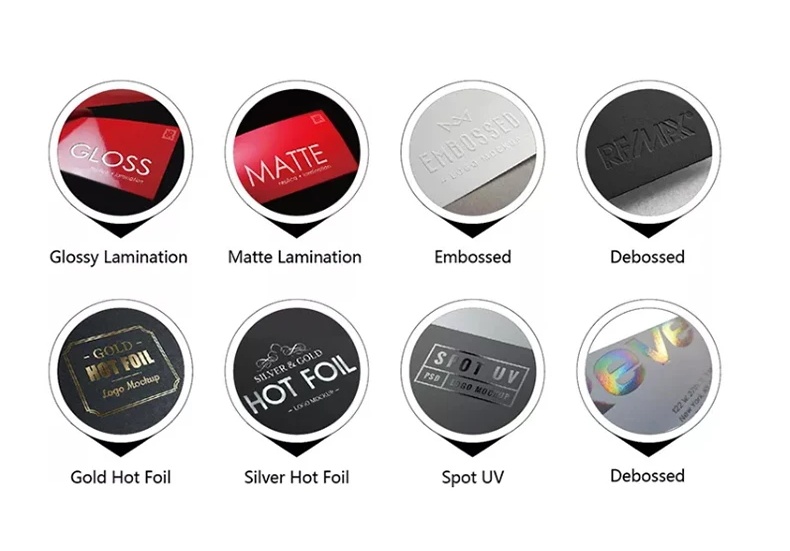
- ✅ Full customization: printing, foil, embossing, lining
- ✅ Free samples for 500+ orders (test before production)
- ✅ Fast production: 3-day samples, 10-day mass production
- ✅ Competitive pricing: 30-50% savings vs domestic
Get your custom envelope quote today:
Last updated: April 2026 | Alice Print — Direct Envelope Manufacturer (5,000 sqm Factory, ISO Certified, Custom Sizes Available)